Health and Nutrition Tips for a Better Lifestyle and Good Health

As defined by the World Health Organization, eating a healthy diet will provide protection from diseases associated with malnutrition and non-communicable diseases such as diabetes, heart disease, stroke, and cancer. In addition, the WHO identifies four basic principles of healthy eating, which are adequacy, balance, moderation, and variety.
Why Health and Nutrition Matter Every Day
Your body needs energy, protein, fats, carbohydrates, vitamins, minerals, and fibre to function well. When your diet lacks these nutrients, you may feel tired, weak, low on focus, or more prone to frequent cravings.
A balanced approach to food, nutrition, and health can help you support:
Daily energy
Muscle strength
Immunity
Digestion
Healthy weight management
Bone and heart health
Better recovery after physical activity
For Indian adults, ICMR-NIN recommends a protein RDA of 0.83 g per kg body weight per day for healthy adults. It also notes that people consuming cereal-heavy diets with lower-quality protein may need around 1 g per kg per day.
Build a Balanced Plate
A balanced plate gives your body the right mix of nutrients without overeating one food group.
Half your plate
Fill it with vegetables and fruits. WHO recommends at least 400 g of fruits and vegetables per day for everyone older than 10 years.
One quarter of your plate
Add whole grains such as brown rice, oats, millets, whole wheat roti, or dalia. WHO recommends that carbohydrates should mainly come from whole grains, vegetables, fruits, and pulses.
One quarter of your plate
Add protein-rich foods such as dal, Chana, rajma, paneer, curd, eggs, fish, chicken, soy, nuts, or seeds.
Small portion of healthy fats
Use nuts, seeds, groundnut, mustard oil, sesame oil, or other suitable cooking oils in moderation.
Priorities Protein for Good Health
Protein is important for muscle maintenance, tissue repair, enzymes, hormones, and immune function. Yet many daily meals are high in carbohydrates and low in quality protein.
To improve nutrition for good health, include protein in every main meal.
Good protein options include:
Dal, pulses, beans, and sprouts
Milk, curd, paneer, and buttermilk
Soy, tofu, nuts, and seeds
Eggs, lean meat, and fish, depending on your food preference
A protein supplement when your diet does not meet your needs
Protinex Original provides 34% protein, contains hydrolysed protein, and is positioned to support strength and immunity when consumed as part of a well-balanced diet and healthy lifestyle.
Reduce Sugar, Salt, and Ultra-Processed Foods
Packaged snacks, sugary drinks, deep-fried foods, and refined sweets can add excess calories without enough nutrients. WHO recommends limiting free sugars to less than 10% of total daily energy intake, with further reduction to 5% offering added health benefits.
Simple swaps can make your routine healthier:
Choose fruit instead of sweets after meals
Drink water, unsweetened chaas, or lemon water instead of sugary drinks
Pick roasted chana, nuts, or curd instead of fried snacks
Read labels for sugar, sodium, and trans fats
Keep homemade meals as your daily base
Stay Hydrated Throughout the Day
Water supports digestion, circulation, temperature control, and nutrient transport. Your needs may increase during hot weather, exercise, fever, pregnancy, lactation, or long outdoor hours.
A practical habit is to keep a water bottle near your desk or kitchen counter and sip regularly. You can also include hydrating foods such as cucumber, watermelon, oranges, curd, soups, and coconut water, depending on your health needs.
Eat for Energy, Not Just Fullness
Feeling full does not always mean your body is nourished. A plate full of refined carbohydrates may satisfy hunger for a short time, but may leave you low on energy later.
For steady energy, combine:
Whole grains
Protein
Fibre-rich vegetables
Healthy fats
For example, instead of plain poha, add peanuts and sprouts. Instead of only tea and biscuits, choose curd with fruit or a protein-rich drink. These small improvements can make health and nutrition easier to maintain.
Support Digestive Health with Fibre
Fibre helps digestion, supports fullness, and plays a role in blood sugar and cholesterol management. You can increase fibre through:
Whole grains
Pulses
Fruits with peel
Vegetables
Seeds
Nuts
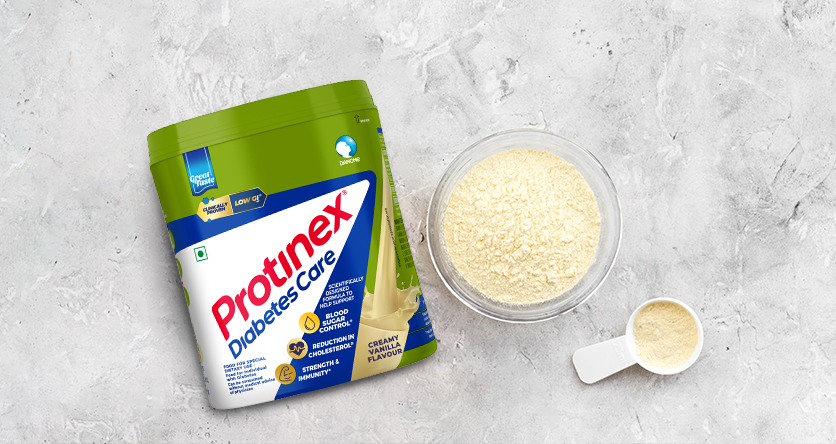
For people managing diabetes, fibre and protein become even more important. Protinex Diabetes Care is described as a food for special dietary use for individuals with diabetes. It is enriched with high fibre, protein, and low GI ingredients and contains essential nutrients to support strength.
Make Physical Activity Part of Your Routine
Nutrition works best when paired with movement. You do not need an intense workout plan to begin. Walking, stretching, cycling, yoga, strength training, or household activities can improve stamina and support muscle health.
Start with realistic goals:
Walk for 20–30 minutes most days
Add two days of strength exercises per week
Stretch after long sitting hours
Take stairs where possible
Stand and move for a few minutes every hour
Sleep and Stress Matter Too
Good food choices become harder when you are sleep-deprived or stressed. Poor sleep can increase cravings, reduce motivation to cook, and affect energy levels.
Try these habits:
Keep a consistent sleep time
Avoid heavy meals close to bedtime
Limit late-night screen exposure
Add calming routines such as reading or light stretching
Eat regular meals to avoid extreme hunger
How Protinex Can Support Your Daily Nutrition
Protinex can be a practical addition when your daily diet does not provide enough protein or key nutrients. The Protinex range includes everyday nutrition options such as Original, Rich Chocolate, and Creamy Vanilla, along with specialised variants such as Mother’s and Diabetes Care. The official Protinex website also mentions Protein Abhiyaan, an awareness initiative around protein intake, with access to diet consultation support.
Use Protinex as part of a balanced diet, not as a replacement for wholesome meals. People with diabetes, pregnancy, lactation, kidney disease, or any medical condition should consult a healthcare professional before adding any supplement.
The Final Note
Better health begins with consistent, practical habits. Eat balanced meals, include enough protein, drink adequate water, limit excess sugar and salt, stay active, and sleep well. When your diet has gaps, the right nutrition support can help you stay on track.
Explore the Protinex range and learn more about your protein needs on the official Protinex website. Share your thoughts, questions, or daily nutrition challenges in the comments.
FAQs
Q1. What is the best way to improve health and nutrition daily?
A. Start with balanced meals, enough protein, fruits, vegetables, whole grains, hydration, and regular physical activity. Small daily improvements are easier to sustain than extreme diet changes.
Q2. How much protein do you need per day?
A. ICMR-NIN recommends 0.83 g per kg body weight per day for healthy Indian adults. People consuming cereal-heavy diets with lower-quality protein may need around 1 g per kg per day.
Q3. Why is protein important for good health?
A. Protein supports muscle maintenance, tissue repair, immune function, enzymes, and hormones. Including protein in each meal can support strength and satiety.
Q4. Can Protinex be taken every day?
A. Protinex may be taken daily as part of a balanced diet and healthy lifestyle, based on your nutritional needs. Follow the pack instructions and consult a doctor or dietitian for personalised advice.
Q5. What foods support food nutrition and health?
A. Vegetables, fruits, pulses, whole grains, dairy, nuts, seeds, lean proteins, and adequate water form the base of a healthy diet. WHO recommends dietary variety and moderation for long-term health.


Comments
Post a Comment