How Protinex Supports Daily Nutrition for a Stronger and Healthier Lifestyle

Maintaining good health requires more than focusing on a single nutrient. Your body needs adequate protein, carbohydrates, healthy fats, vitamins, minerals, fiber, and fluids to support everyday functions. With busy schedules, irregular meals, and changing dietary habits, getting a balanced mix of nutrients every day can sometimes be difficult.
Protein deserves particular attention because it contributes to the growth and maintenance of muscle and is involved in several essential functions in the body. According to the ICMR-National Institute of Nutrition's 2024 Dietary Guidelines for Indians, the recommended dietary allowance for protein for healthy adults is 0.83 g per kg of body weight per day. For a 65 kg adult, this works out to approximately 54 g of protein per day.
Adding suitable protein sources to your everyday meals can therefore be an important part of maintaining a balanced diet. Protinex provides a convenient way to add protein along with selected vitamins and minerals to your daily routine.
Why Protein Matters for Your Everyday Health
Protein is made up of amino acids, which your body uses to build and maintain tissues. It also contributes to the production of enzymes, hormones, and other functional molecules. The World Health Organization describes protein as an important source of the building blocks required for structural and functional components of the body. Your body does not store protein in the same way it stores carbohydrates and fat. This makes regular dietary protein intake important.
You can get protein from a wide range of foods, including:
Dal, lentils and other pulses
Milk, curd and other dairy foods
Eggs
Fish and lean meats
Soy and other legumes
Nuts and seeds
Protein-enriched foods and beverages
A varied diet can help you obtain protein from different sources while also providing other essential nutrients.
How Protinex Can Contribute to High Protein Nutrition
Protinex Rich Chocolate and Creamy Vanilla products have 34 grams of protein in each 100 grams, with every 35-gram serving having 12 grams of protein. This protein will originate from soy and milk. It is recommended that you take 35 grams of either Protinex Rich Chocolate or Creamy Vanilla along with 200 ml of milk every day. This way, you will have a ready-made solution in case you need to incorporate protein into your diet.
For instance, when you weigh 65 kg, your general adult RDA for protein will be about 54 grams a day. The 12 grams of Protinex will provide some of this protein intake, while the remaining part will be taken from your normal food consumption. The idea is to integrate Protinex with your diverse diet as opposed to relying only on this product for all your nutritional needs.
More Than Protein
Overall wellness depends on getting a range of nutrients. Protein is important, but your body also needs vitamins and minerals to support normal physiological functions. Protinex Rich Chocolate is enriched with several nutrients. According to the product information, it provides:
Protein to support the growth and maintenance of muscle mass.
Calcium and vitamin D for bone health.
Vitamins A, C, D, E, B12, and folate to support normal immune function.
Vitamins B1 and B2 to support normal energy metabolism.
Iron to help maintain normal immune system function.
The product contains zero trans fat and is designed to be consumed as part of a well-balanced diet and healthy lifestyle
Protein and Muscle Health

Muscle health is important throughout adulthood. Maintaining muscle mass supports strength and physical function, while regular physical activity can further support muscle health. The ICMR-NIN Dietary Guidelines recommend regular physical activity, including strength exercises, along with a good diet for maintaining muscle mass and muscle function.
Protein and exercise therefore work together within a healthy lifestyle. You can support your daily routine by:
Including protein-rich foods in your meals.
Doing regular physical activity appropriate for your fitness level.
Including strength exercises where suitable.
Getting adequate sleep.
Maintaining a balanced overall diet.
If you have a medical condition or are beginning a new exercise programme, seek advice from an appropriate healthcare professional.
Building a Balanced Diet Around Your Routine
A high-protein diet is just one part of an overall dietary regimen.
The World Health Organization advises that healthy diets offer proper nutrition and energy in addition to balance, moderation, and variety. Also, they advise eating nutrient-rich foods in general from a diversity of foods such as fruits, vegetables, nuts, pulses, whole grains, and other proteins.
A simple daily approach could include:
At breakfast
Include milk, curd, eggs, pulses or another suitable protein source along with whole grains or other nutrient-rich foods.
At lunch
Add dal, beans, paneer, curd, eggs, fish or another protein source alongside vegetables and suitable carbohydrate sources.
As an evening option
A serving of Protinex can provide a convenient way to add protein to your routine. Protinex Rich Chocolate and Creamy Vanilla provide 12 g of protein per 35 g serving.
At dinner
Build your meal around vegetables, an appropriate protein source and a suitable portion of carbohydrates. This type of routine can help you make daily protein intake a regular part of your overall eating pattern.
Vitamins, Minerals and Overall Wellness
While protein is well known for being a hot topic in nutritional discussions, the significance of micronutrients must not be overlooked. Although needed in lesser amounts, micronutrients play an important role in many processes in our bodies.
According to the WHO, there are roughly 30 essential micronutrients, which include vitamins and minerals, among which are vitamin A, B vitamins, vitamin C, vitamin D, vitamin E, iron, iodine and zinc. An eating plan with nutrient-packed foods may provide for these needs.
This is one reason why a balanced diet including different types of foods is recommended rather than a monotonous one based only on one type of food. Protinex can help here by adding protein, some vitamins, and minerals.
Practical Ways to Improve Your Daily Protein Intake
If you are unsure whether you are getting enough protein, start with simple changes.
1. Include protein in every major meal
Add dal, dairy, eggs, soy, pulses, fish, meat, nuts or seeds according to your dietary preferences.
2. Check your portions
The amount of protein you consume matters. Your requirements depend on your body weight and individual circumstances.
3. Choose a variety of protein sources
Combining different plant and animal protein sources can contribute to a more varied nutritional intake. The ICMR-NIN also highlights the value of combining cereals and pulses to improve the overall amino acid profile of a meal.
4. Keep convenience in mind
Busy schedules can make regular nutrition difficult. A prepared nutritional beverage can be a practical addition to your routine when used alongside balanced meals.
5. Stay physically active
Regular movement and strength-focused activity, when appropriate, can support muscle health and overall physical function.
Making Protinex Part of Your Daily Routine
Consistency matters when it comes to nutrition. For good nutrition, consistency counts. You don't have to radically alter your diet to achieve protein goals; small and pragmatic additions to your current diet will go a long way to fulfilling your nutritional needs.
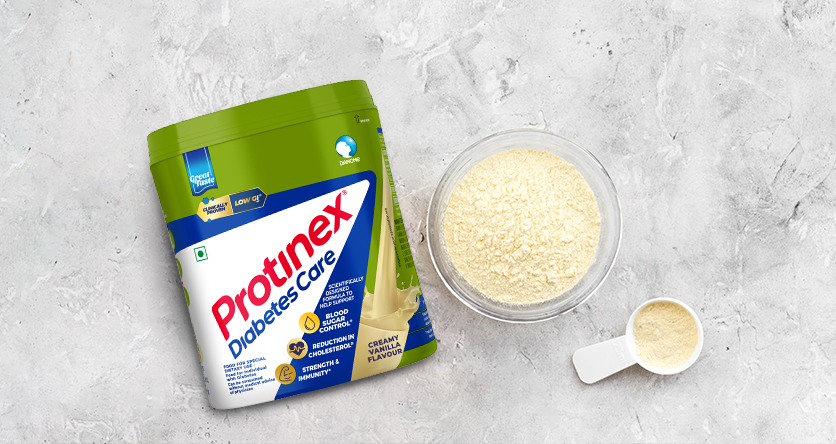
Protinex Rich Chocolate and Creamy Vanilla offer 12 grams of protein for every 35 grams of the powder, together with some vitamins and minerals. The suggested dosage is one 35-gram serving of Protinex with 200 ml of milk every day.
You are advised to consume Protinex as part of a healthy diet and lifestyle regimen. In addition to being taken alongside other foods, whole foods such as vegetables, fruits, pulses, whole grains, dairy foods, nuts and seeds will continue providing you with nutrients.
A Simple Step Towards Better Daily Nutrition
The nutritional requirements will keep changing through your lifetime, but some basics will always be the same - variety of foods, sufficient amount of protein, and being physically active and paying attention to general quality of nutrition.
Inclusion of protein-rich food in your daily diet can help you reach your goals of achieving fitness and good health. Since it is rich in protein, vitamins, and minerals and is easy to prepare, Protinex can be a part of your daily nutrition.
Check the variety of Protinex products and choose the one that will fit your daily lifestyle.
Frequently Asked Questions
Q1. How much protein does Protinex provide?
A. Protinex Rich Chocolate and Creamy Vanilla contain 34 g of protein per 100 g. A 35 g serving provides 12 g of protein.
Q2. How much Protinex should you consume per day?
A. Protinex recommends one 35 g serving per day mixed with 200 ml of milk for its Rich Chocolate and Creamy Vanilla variants.
Q3. What are the protein sources in Protinex?
A. Protinex Rich Chocolate and Creamy Vanilla contain protein from soy and milk.
Q4. How much protein do healthy adults generally need?
A. The ICMR-NIN recommends 0.83 g of protein per kg of body weight per day for healthy adults. For a person weighing 65 kg, this is approximately 54 g of protein per day.
Q5. Can Protinex replace a balanced diet?
A. No. Protinex should complement a varied and balanced diet rather than replace regular meals. WHO guidance recommends obtaining nutrients from a diverse range of foods, including vegetables, fruits, pulses, whole grains, nuts and suitable protein sources. Read More : https://protinexindia.medium.com/protinex-diabetes-care-supporting-nutritional-needs-for-a-healthy-lifestyle-aa769301c4ba?postPublishedType=initial


Comments
Post a Comment